7 Stunning Juttis vs Heels for Brides
Your wedding day is not a 2-hour party. It is a full-day (and sometimes full-week) celebration with rituals, photos, hugs, long standing moments, and lots of dancing. That is why footwear matters more than most brides expect. If you are confused between flats and heels, 7 Stunning Juttis vs Heels for Brides is written to help you pick the right pair without pain.
In Indian weddings, shoes are not just “something under the lehenga.” Your footwear decides how steady you feel during your entry, how relaxed you look in photos, and how long you can stay on the dance floor. This is exactly what 7 Stunning Juttis vs Heels for Brides is all about: comfort vs style, and how to get both.
This blog is for Indian brides and also for global brides planning an Indian wedding. We will talk about trending jutti (mojari) designs, block heels that work under heavy lehengas, and smart hacks so you can enjoy every moment. By the end, you will know what to wear for each function, because 7 Stunning Juttis vs Heels for Brides is a decision guide, not just a trend list.
Why bridal footwear is a bigger deal than you think
Brides spend weeks choosing lehenga colour, jewellery, and makeup references. But many brides pick shoes at the last moment. That is where problems start, and that is why 7 Stunning Juttis vs Heels for Brides is an important topic.
Here is what your feet go through in a typical Indian wedding day:
-
Standing during entry, varmala, and couple photos
-
Walking on marble floors, carpets, grass, or uneven outdoor areas
-
Sitting cross-legged for rituals (which can push straps and seams into your skin)
-
Sweaty feet under warm lights and heavy outfits
-
Quick outfit changes between events
-
Dancing after you are already tired
If your shoes are too tight, too slippery, or too high, you will feel it in the first hour. And once your feet hurt, it becomes hard to enjoy the day. That is the real reason brides search for 7 Stunning Juttis vs Heels for Brides.
What brides are wearing right now
Bridal fashion trends keep changing, but one thing is clear: brides want comfort that still looks premium. You can see this in the rise of cushioned juttis and the strong comeback of block heels. This mix of comfort and glam is the big theme behind 7 Stunning Juttis vs Heels for Brides.
These are the bridal footwear trends you will see everywhere:
-
Block heels for lehengas: Height without the “stiletto fear.”
-
Embroidered juttis for main functions: Not only for mehendi anymore.
-
Soft metallics: Champagne, gold, rose gold, and silver that match almost everything.
-
Pearls and crystals: A classy way to look bridal even in simple colours.
-
Better padding: Brides are asking for comfort soles and softer linings.
-
Two-pair planning: One pair for photos, one pair for real life. 7 Stunning Juttis vs Heels for Brides supports this strongly.
-
Personalisation: Initials, dates, and tiny motifs for a personal touch.
Now let’s compare the two stars of the bridal shoe world: juttis and heels. That is where 7 Stunning Juttis vs Heels for Brides gets really useful.
Juttis and mojaris: the bridal favourite for comfort
Juttis (often called mojaris too) are traditional Indian flats. They feel festive, they match ethnic outfits easily, and they are now made in modern, bridal styles. Many brides choose them because they want to look graceful without worrying about tripping. For a lot of brides, 7 Stunning Juttis vs Heels for Brides becomes a “jutti-first” guide the moment they imagine a long wedding day.
Why juttis work so well for Indian weddings
Juttis are a strong choice because they are:
-
Easy to walk in during entry and pheras
-
Comfortable for long rituals and family photos
-
Practical for outdoor venues and destination weddings
-
Good for brides who are not used to heels
-
Reusable after the wedding with suits, sarees, and festive outfits
Also, juttis feel “Indian” in the best way. They fit the vibe of a lehenga, a Banarasi saree, or even a sharara set. That is why 7 Stunning Juttis vs Heels for Brides keeps juttis at the top of the comfort list.
Trending bridal jutti designs brides are buying
Bridal juttis are not plain anymore. Here are designs that are trending for Indian brides:
1) Pearl and crystal juttis
These look soft, premium, and very photogenic. They go beautifully with ivory, pastel, and champagne outfits. If your bridal look is modern, 7 Stunning Juttis vs Heels for Brides recommends this style.
2) Zardozi, dabka, and metallic threadwork
This is for brides who want a royal feel. These juttis match red, maroon, gold, and heavy bridal wear easily.
3) Mirror work and gota patti
Perfect for mehendi and haldi looks, and also great for destination weddings because they look bright in daylight.
4) Velvet juttis
A winter wedding classic. Velvet looks rich and gives “old money” vibes without trying too hard. Many brides add velvet juttis to their 7 Stunning Juttis vs Heels for Brides plan for December weddings.
5) Minimal juttis with clean embroidery
If your outfit is already heavy, minimal juttis keep the look balanced.
6) Personalised juttis
Initials, wedding date, or a tiny message inside the sole. They also make a cute memory piece.
How to style juttis with different bridal outfits
With a lehenga
If your lehenga is long and you do not need height, juttis are perfect. You can choose a slightly heavier design because only a peek will show when you walk. The comfort will show on your face, and that matters more. That is a key point in 7 Stunning Juttis vs Heels for Brides.
With a saree
Sarees need a proper length, so try your juttis before finalising the fall and pleats. A pointed-toe jutti can make your legs look longer. This small styling trick is loved by brides who follow 7 Stunning Juttis vs Heels for Brides.
With sharara, gharara, or anarkali
Juttis keep the look elegant and help you move freely. Choose a sleek shape so the outfit looks neat.
With Indo-western or reception outfits
If your reception outfit is still ethnic, embroidered juttis can look very fresh and different. If you want a “cool bride” vibe, 7 Stunning Juttis vs Heels for Brides says juttis can absolutely work beyond day functions.
Jutti comfort tips (so you don’t get blisters)
The truth: not every jutti is comfortable. Some are stiff. Some are narrow. Some are slippery. So use this checklist before you buy:
-
Choose the correct size (too tight will cut, too loose will slip)
-
Prefer soft lining and a cushioned insole
-
Check seams near toes and the back heel area
-
Walk for 5–10 minutes in the shop
-
Try them with socks once at home if you are breaking them in
If you want comfort plus bridal sparkle, choose juttis with padding. Many brides forget padding, and then blame juttis. 7 Stunning Juttis vs Heels for Brides says the design matters, but construction matters even more.

Heels: the bridal choice for height and posture
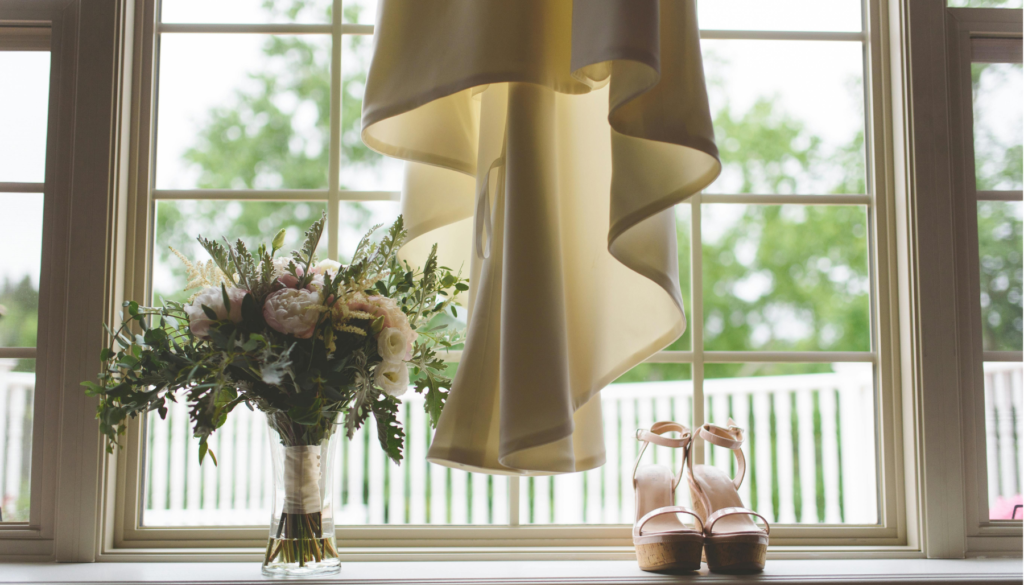
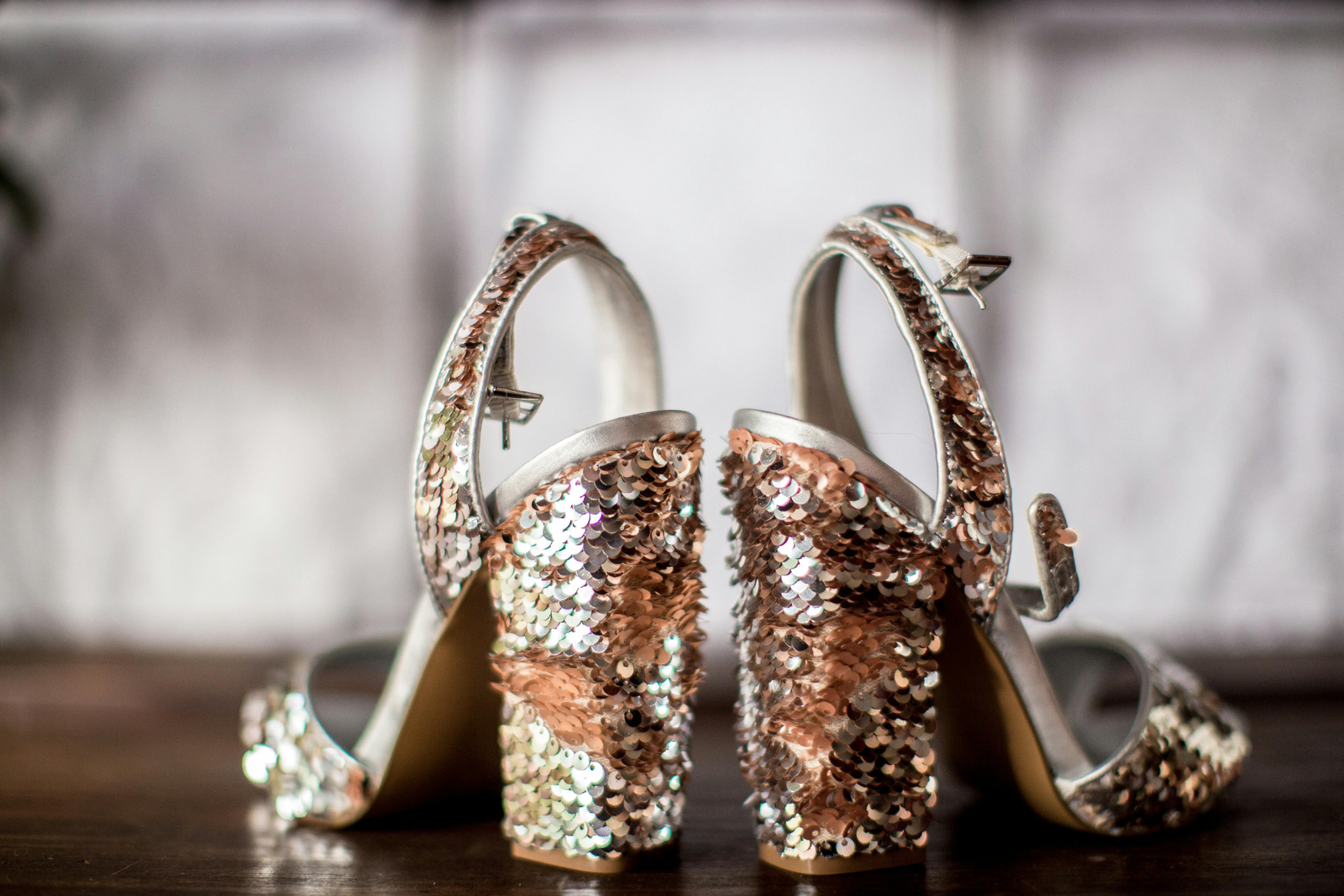
Heels are still loved for one big reason: they change your posture. They also help your outfit fall nicely, especially when you wear a heavy lehenga or a gown-like silhouette. Many brides feel more confident and “bridal” in heels for entries and portraits. That is why 7 Stunning Juttis vs Heels for Brides does not treat heels like the enemy.
The heel styles Indian brides are choosing most
These heel types are trending for Indian weddings:
1) Block heels
The most bridal-friendly heel type right now. Block heels give height and balance. They are easier for long hours and they work well under lehengas. If you remember one thing from 7 Stunning Juttis vs Heels for Brides, remember: block heels are the safest heel choice for Indian weddings.
2) Platforms
Platforms give height with less pressure on the front of your foot. They can be a smart pick for reception looks.
3) Kitten heels
Small heel, easy walk, and a very classy look. Good for brides who want a little lift but not a big jump.
4) Wedges
Wedges are great for outdoor venues. They feel stable and support you better on grass.
5) Strappy heels with strong support
Look for ankle straps or secure straps, not thin “beauty straps” that don’t hold your foot.
Block heels for lehengas: why they are a huge trend
A heavy lehenga changes how you walk. Block heels help because they:
-
Keep you balanced when your lehenga is weighty
-
Reduce wobble during entry and couple photos
-
Support you during long standing moments
-
Help the lehenga fall well without dragging too much
If you are a petite bride or you want more height in photos, block heels are a strong option. This is one of the biggest style wins in 7 Stunning Juttis vs Heels for Brides.
Choosing heel height the smart way
Heels look great, but you have to be honest about what you can handle. Here is a simple guide:
-
1–2 inches: Best for comfort and beginners.
-
2–3 inches: The sweet spot for most brides, especially in block heels.
-
3–4 inches: Only if you are used to heels; better with platforms.
-
4+ inches: Not ideal for long Indian wedding hours unless you are a heel pro.
A good bridal heel is the one you can walk in without thinking. If you are nervous, your photos will show it. 7 Stunning Juttis vs Heels for Brides says comfort is a beauty hack.
How to style heels with bridal outfits
With a lehenga
Choose heels before final lehenga alterations. Your hemline should be adjusted to your footwear. This avoids tripping and keeps your entry smooth. Brides who follow 7 Stunning Juttis vs Heels for Brides plan footwear early for this reason.
With a saree
Heels can make saree pleats fall better and make you look taller. For marble floors, choose a heel with grip or add an anti-slip sole.
With a reception gown or fusion outfit
This is where you can experiment more. If the outfit is lighter and the event is shorter, even slimmer heels can work. But still keep a flat backup pair nearby, because 7 Stunning Juttis vs Heels for Brides always plans a backup.
Comfort vs style: the decision map
Choosing between juttis and heels becomes easy when you look at your real wedding day. Use this decision map from 7 Stunning Juttis vs Heels for Brides.
Decide based on these factors
1) Venue surface
-
Outdoor grass/sand/uneven tiles: choose juttis, wedges, or block heels.
-
Smooth indoor marble: choose juttis with grip or heels with anti-slip soles.
2) Event timing
If you have long rituals, juttis win. If you have a short entry and photo session, heels can work. 7 Stunning Juttis vs Heels for Brides suggests matching shoes to the length of the moment.
3) Outfit weight and length
Heavy lehenga + long dupatta = stable shoes. Many brides choose block heels or padded juttis here.
4) Your comfort level
If you are not used to heels, don’t force it. Your wedding is not a training day. 7 Stunning Juttis vs Heels for Brides is very clear on this.
5) Your personal confidence
Some brides feel taller and more confident in heels. Some brides feel free and relaxed in juttis. Both are valid. The goal is to feel like yourself.
The “best of both” bridal plan
If you are still confused, here is the most common solution among modern brides: wear both. It is practical and it looks smart. That is why 7 Stunning Juttis vs Heels for Brides is not a fight; it is a plan.
A simple two-pair timeline
-
Entry + portraits: heels (block/platform) for height and posture.
-
Rituals: juttis for comfort while sitting and moving slowly.
-
Reception entry: heels again if you want that sharp look.
-
Dancing: juttis or flats so you can enjoy without pain.
This strategy gives you the “bridal height” when you want it, and the “real comfort” when you need it. Many brides say this is the most helpful tip from 7 Stunning Juttis vs Heels for Brides.
Shopping and prep tips that save your feet
Footwear problems usually come from wrong fit, wrong material, or no practice. Use these tips from 7 Stunning Juttis vs Heels for Brides and you will avoid most issues.
Buy early and do a proper trial
Buy footwear at least 3–4 weeks before the wedding. Practice walking at home. Do stairs, sit down, stand up, and turn around. Your wedding includes all these moves.
Try shoes in the evening
Feet are slightly larger later in the day. Evening try-ons reduce the risk of buying tight shoes.
Use comfort helpers (they are not cheating)
Keep these in your bridal kit:
-
Gel insoles or cushioned pads
-
Heel grips
-
Blister patches
-
Moleskin or soft tape for friction points
-
Fashion tape for slipping straps
These small items can change your whole day. Brides who read 7 Stunning Juttis vs Heels for Brides usually add this kit to their bridal emergency list.
Pick colours you can reuse
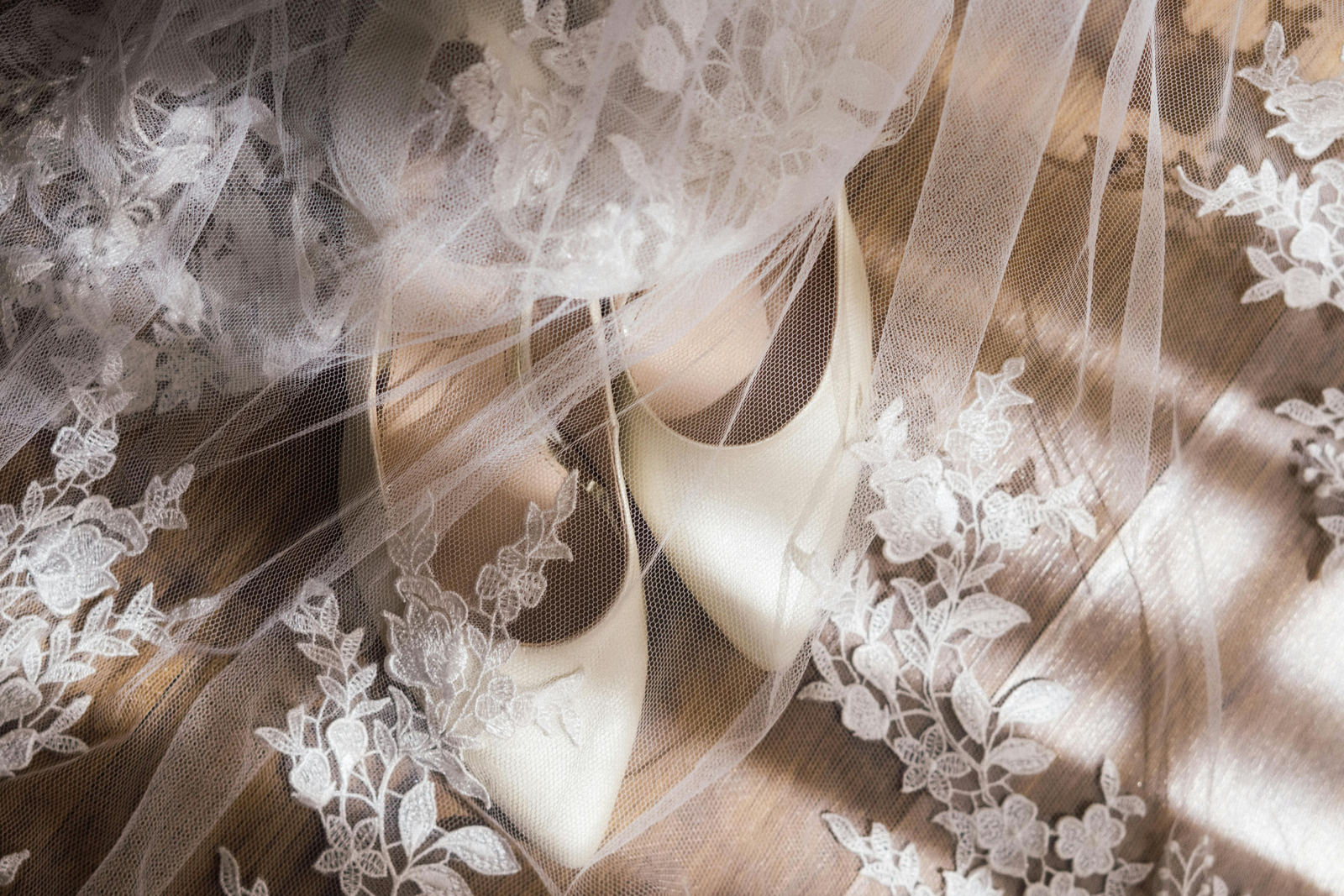
If you want one versatile pair, choose gold, champagne, silver, rose gold, or ivory. Exact matching is not always needed. Matching the overall vibe looks more premium, and that is what 7 Stunning Juttis vs Heels for Brides recommends.
What to wear for each wedding function
Indian weddings have multiple events, so your footwear can change too. Use this simple function guide from 7 Stunning Juttis vs Heels for Brides.
Mehendi: juttis or soft flats (long sitting hours).
Haldi: simple footwear you don’t mind staining.
Sangeet: heels for entry, then switch to juttis for dance.
Wedding ceremony: comfort-first; juttis or stable block heels with strong straps.
Reception: heels can shine, but keep a backup pair.
The key idea is to stop thinking “one shoe for everything.” Think “right shoe for the right moment.” That mindset is what makes 7 Stunning Juttis vs Heels for Brides truly useful.
Quick FAQs brides ask
Can I wear juttis under a heavy bridal lehenga?
Yes, but alter the lehenga with your juttis on. Length matters.
Are heels necessary for bridal photos?
No. They help posture, but comfort helps expression. Use heels only if you can walk confidently.
What if I want height but hate heels?
Try block heels, wedges, or platforms. Many brides find this the perfect middle path, and 7 Stunning Juttis vs Heels for Brides supports it.
Should I buy one expensive pair or two mid-range pairs?
For most brides, two good pairs (one for photos, one for comfort) works better than one risky pair. That is a practical takeaway from 7 Stunning Juttis vs Heels for Brides.
Don’t miss
Your bridal shoes may not be the first thing people notice, but they quietly decide how your whole day feels. If your feet are comfortable, you stand taller, smile more, and enjoy every ritual without rushing. That is the real meaning behind 7 Stunning Juttis vs Heels for Brides.
The simple truth: your wedding needs a shoe plan
Start with your reality, not only your Pinterest board. Ask yourself: How long will I be on my feet? Will I walk on grass, marble, stairs, or all three? How heavy is my outfit? When you answer these honestly, the choice becomes clear. That is why 7 Stunning Juttis vs Heels for Brides focuses so much on planning, not just styling.
What to remember about juttis
Juttis (and mojaris) are a bridal blessing for long Indian wedding hours. They feel traditional, look festive, and are easy to manage during rituals. They are also perfect for outdoor venues because they don’t sink into grass and they don’t wobble on uneven ground. If you love embroidery, pearls, mirror work, gota patti, or zardozi, you can find bridal juttis that look just as grand as heels.
The smartest way to use juttis is to pick a pair that is pretty and practical. Look for a soft lining, a cushioned insole, and a back that does not bite into your heel. If your jutti is slightly stiff at first, wear it at home for short periods so it becomes softer. Also, remember one styling rule: finalise your lehenga or saree length only after you decide your footwear. Juttis look best when you are not constantly lifting your outfit to avoid tripping.
What to remember about heels
Heels still have a strong place in bridal style because they give height, improve posture, and help heavy outfits fall better. The trick is choosing the right type. For most Indian brides, block heels, wedges, kitten heels, and platforms are more wedding-friendly than thin stilettos. If you can walk comfortably for 10 minutes at home, you can trust that pair for entry and portraits. If you can’t, don’t “hope it will be fine.” That practical honesty is a big part of 7 Stunning Juttis vs Heels for Brides.
Also, think about your venue. Grass lawns and uneven paths are risky for thin heels. Smooth marble can be slippery for any heel if the sole has no grip. A small anti-slip sole (or grip pads) can save you from awkward slips during photos and entrances.
The best modern solution: mix both
You do not have to pick only one. The smartest brides do a two-pair plan: one pair for the “camera moments” and one pair for the “real-life moments.” A simple way to think about it is:
-
Entry + couple portraits: heels (block/platform) if you want height
-
Rituals + sitting time: juttis for comfort
-
Reception entry: heels again if you love the look
-
Dancing + late night: juttis or flats so you can move freely
Many brides say 7 Stunning Juttis vs Heels for Brides made them pack a backup pair on time—and that one small decision saved their evening.
The 5-point comfort checklist to follow
Before you lock your shoes, do this quick check:
-
Fit: no pinching at toes, no slipping at the back.
-
Support: padding matters more than you think.
-
Grip: test the sole on a smooth floor.
-
Practice: stairs, sitting, walking, and turning at home.
-
Backup: keep a second pair ready in your bridal room or car.
This checklist sounds basic, but it saves real brides from real pain. That is exactly why 7 Stunning Juttis vs Heels for Brides is not just about trends.
Your tiny bridal “foot kit” that makes a big difference
Put these in a small pouch (or ask your sister/bridesmaid to carry it):
-
Gel insoles or cushioned pads
-
Heel grips
-
Blister patches
-
Soft tape or moleskin for friction points
-
A safety pin (yes, even for shoe straps and outfit emergencies)
If you follow this, you will handle small problems before they become big problems. You will also feel more relaxed because you know you are prepared.
A quick function cheat sheet
If you want a simple “what to wear when” reminder, save this:
-
Mehendi: juttis or soft flats (sitting long hours)
-
Haldi: simple footwear you don’t mind staining
-
Sangeet: heels for entry, then switch for dance
-
Wedding ceremony: comfort-first, stable and secure
-
Reception: heels can shine, but backups are still smart
Final reminder
On your wedding day, you deserve to feel beautiful and comfortable at the same time. Choose shoes that support you, plan your switch, and practise once at home. When you feel good, you look good—and that is the final promise of 7 Stunning Juttis vs Heels for Brides.
Helpful external link (for breaking in wedding shoes):
Brides:How to break in Bridal heels
Also Read
Stunning 17 Celebrity Wedding Looks 2025